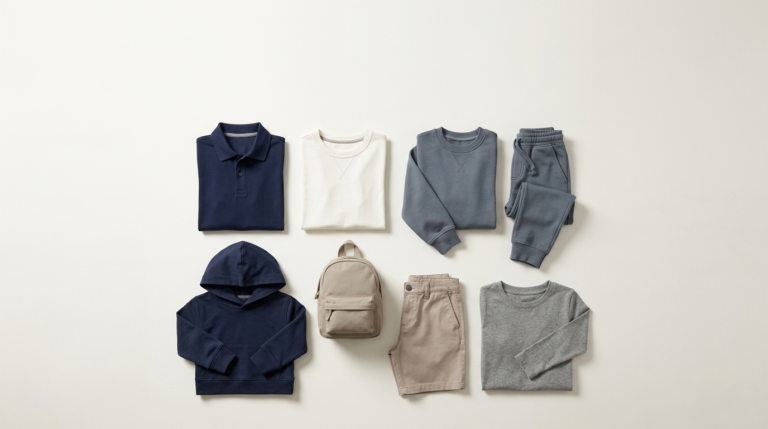
Kids Clothing Manufacturing: How to Choose a Private Label Kids Clothing Manufacturer for Your Back-to-School 2026 Collection Choosing a kids clothing manufacturer for your back-to-school collection is one of the highest-stakes decisions a US brand founder makes. The wrong partner leads to quality failures in garments worn by children. The right one means a product line that builds repeat loyalty and grows a brand. If you are sourcing for Back-to-School 2026, May is your production window — and it closes faster than most founders expect. At The Pima Company, we have partnered with US kids clothing brands since 2009. This guide covers what to look for in a manufacturing partner, the specs that actually matter for kids clothing, and the production window you need to hit before the back-to-school rush. Key Takeaways ● Fiber first: Peruvian Pima cotton’s 38mm fiber length produces softer, more durable garments than standard 25–28mm cotton — visible in the first wash and still visible five seasons later. ● MOQ flexibility matters: A low 300-unit MOQ that allows mixing styles, sizes, and colors is a viable test order and feasible with The Pima Company. ● February starts the Back-to-School window: 12 weeks production + 1 week shipping = May delivery. Brands that start now reach US distribution centers before Summer peak — right on time for back-to-school. ● Specialization beats generalism: Manufacturers who work exclusively with Peruvian Pima knit have calibrated every step of their process for consistency. Generalists have not. What to Look for in a Kids Clothing Manufacturer The criteria that matter for premium kids clothing are different from commodity sourcing. US brands operating at the $60–$200 retail price point need to evaluate three things: Fiber and Raw Material Standards Ask every prospective manufacturer where their cotton comes from and what the average fiber length is. Peruvian Pima averages 38mm — standard commercial cotton sits at 25–28mm. A longer fiber means fewer loose ends per square inch of fabric. In practice, that translates to: ● A softer surface that survives 50+ washes instead of pilling after 10 ● Color that holds through repeated washing — no fading by the third season ● Less abrasion on kids’ sensitive skin, because there are fewer exposed fiber ends rubbing against it Specialization and Process Calibration Pima cotton requires calibrated spinning machinery, slower knitting speeds, and specific finishing protocols. A manufacturer processing Pima daily has optimized those steps. A generalist adapting their standard line for one premium order has not. At TPC, our Lima facility works exclusively with Peruvian Pima knit. We do not blend under supply pressure, and we do not substitute materials on small orders. MOQ Structure and Mix Flexibility 300 units sounds like a lot — until you see how it works in practice. You can split that across 4 colorways, multiple sizes from 2T to 10Y, all within a single style. That’s a real market test, not a warehouse bet on one SKU. Fabric Types for Premium Kids Clothing The right construction depends on the garment category within your kids line. TPC works with four primary fabrics:
We proudly use 100% Peruvian cotton for all our fabrics! TPC offers a delightful array of Interlock colors, perfect for polo shirts, golf shirts, and t-shirts. Plus, we can create matching rib fabrics from the same high-quality material used for the body (minimums apply), ensuring a seamless look and feel without any inconsistency. How the Private Label Process Works Two paths are available depending on where your brand is: ● From TPC’s catalog: Select a premium base style (t-shirts, sets, dresses, layering pieces) in different colorways and submit your logo with labels and hang-tag designs. ● Full custom tech pack: Bring your own specs and silhouettes. TPC reviews, flags issues before sampling, and produces sealed samples in the approved Pima construction. Development phase: 3–4 weeks. TPC covers sizes 2T through 14Y across boys, girls, and unisex — a complete kids offering within a single manufacturing relationship. What Is the Production Timeline for a Back-to-School 2026 Kids Collection? For US brands targeting Back-to-School 2026, early March is the window — and it closes quickly. A complete Pima cotton kids run breaks down as follows: ● Weeks 1–2: Pre-production — tech pack review, lab-dip approvals, material confirmation ● Weeks 3–4: Sample development and approval ● Weeks 5–10: Bulk manufacturing, mid-production QC, pre-export final inspection ● Weeks 11–12: International freight and US customs clearance That’s 12 weeks of production plus approximately one week for shipping and customs clearance — putting June delivery on the table for brands that offer wholesale. Back-to-school retail peaks in August across the US but you want your order several weeks before that. A March start hits that window precisely. Brands that wait until May to compress the manufacturing phase, which is where quality failures in premium Pima production actually happen. For babywear alongside your kids line, see our guide on baby clothing manufacturer lead times and production planning. According to the US Consumer Product Safety Commission (CPSC), children’s apparel sold in the US must meet specific safety standards — a compliance requirement your manufacturing partner should handle as standard, not as an add-on. Frequently Asked Questions
▶ Build your Back-to-School 2026 kids collection on the world’s finest cotton. Connect with our team in Jacksonville today → |